The world has once again been reminded how quickly geopolitical tensions can reshape financial markets. The escalating conflict involving the United States, Israel and Iran has already started moving global markets, particularly in sectors tied to defence, energy and military technology.
Historically, wars and geopolitical tensions create both risk and opportunity for investors. Certain industries see increased demand as governments ramp up military spending, replace equipment and invest heavily in new technologies.
So the key question for investors is this:
Which companies – or sectors – could potentially benefit from this new geopolitical landscape?
Let’s explore some of the areas worth watching.
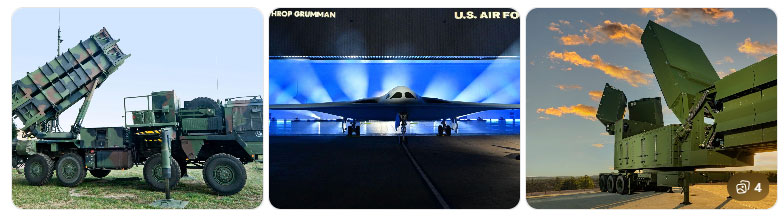
1. Traditional Defence Contractors
Whenever geopolitical tensions rise, traditional defence contractors are usually among the first companies investors look at.
Governments need weapons systems, aircraft, radar, missiles and logistics support. And with inventories rapidly depleted during conflicts, replenishment orders often surge.
Some of the largest companies in this space include:
-
Lockheed Martin
-
Northrop Grumman
-
RTX Corporation (formerly Raytheon)
-
General Dynamics
-
L3Harris Technologies
These companies build everything from fighter jets to missile defence systems. In fact, defence stocks have already surged as tensions increased, with several of these companies seeing notable gains in recent days.
Missile manufacturers in particular could see increased demand as military stockpiles are depleted and need to be replenished.

2. The Rise of Drone Warfare
Modern warfare is changing rapidly, and drones are at the centre of that transformation.
In recent conflicts – including Ukraine and the Middle East – low-cost drones have proven to be extremely effective, capable of striking targets at a fraction of the cost of traditional missiles. Some attack drones cost as little as $20,000–$50,000, compared with missile systems costing hundreds of thousands or even millions.
Companies involved in military drone technology include:
-
AeroVironment
-
Kratos Defense & Security Solutions
-
Draganfly
-
Red Cat Holdings
Drone technology is becoming a crucial part of military strategy, meaning demand for these systems could continue to grow.
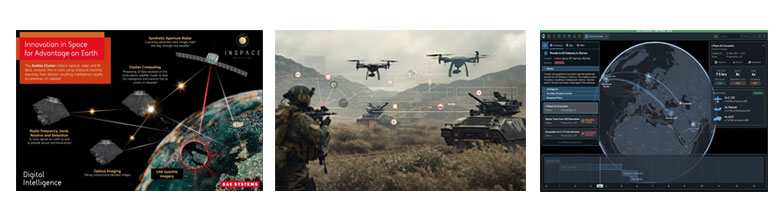
3. Surveillance, Data & Battlefield Intelligence
Modern warfare is no longer just about weapons – information is now one of the most valuable assets on the battlefield.
Companies that specialise in:
-
satellite imaging
-
data analytics
-
battlefield intelligence
-
AI-powered targeting
are becoming increasingly important.
One example is Palantir Technologies, which provides data analytics platforms used by defence and intelligence agencies. The company’s shares recently moved in tandem with defence stocks as military demand for AI-driven analytics grows.
This reflects a broader shift toward “digital warfare”, where software, data and intelligence systems are just as critical as weapons.
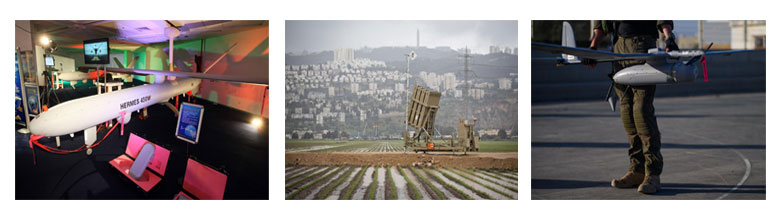
4. Israeli Defence Technology
Israel is one of the most technologically advanced defence exporters in the world.
Companies such as:
-
Elbit Systems
-
Rafael Advanced Defense Systems
-
Israel Aerospace Industries
have built global reputations in drone technology, missile defence and battlefield electronics. These firms have experienced strong growth as global demand for advanced defence systems increases.
For investors, this sector represents a blend of high-tech innovation and defence spending trends.
5. The Often Overlooked Winners: Energy & Commodities
Interestingly, wars don’t just impact defence stocks.
Historically, geopolitical tensions in the Middle East have often driven:
-
oil prices higher
-
gold demand higher
-
energy company profits higher
Analysts have already suggested that energy and gold producers could benefit from increased market volatility during the current tensions.
This means sectors like energy, mining and commodities are also worth watching.
6. The Bigger Question for Investors
While wars often drive demand for military technology, successful investing isn’t simply about buying “war stocks.”
The real edge comes from:
-
identifying market trends early
-
understanding where institutional money is flowing
-
timing entries and exits correctly
That’s exactly what we focus on inside our trading strategy.
Join Our FREE Live Investment Webinar This Friday
Markets are moving quickly right now, and many investors are asking the same question:
“Where are the opportunities in today’s market?”
If you’d like a clearer framework for building wealth through the stock market, we’re hosting a FREE live investment webinar this Friday where we’ll break everything down step-by-step.
Friday 6th March
⏰ 12:30 PM (UK Time)
During this live session, we’ll show you:
• Why you don’t need a large lump sum to start investing
• How to identify strong blue-chip stocks, even if you're completely new to the market
• A simple, rules-based approach to building a long-term investment portfolio
• How to start investing with whatever amount you can comfortably afford each month
Many people believe investing is complicated or requires thousands of pounds to get started.
The reality is that successful investors follow clear rules, disciplined strategies, and consistent habits.
That’s exactly what we’ll walk through during this session.
We’ll also explain how we use the Trendsignal strategy to identify stocks that are showing strong trends — helping investors focus on opportunities where institutional money may already be flowing.
Reserve Your Free Seat
This is a live session, and places are limited.